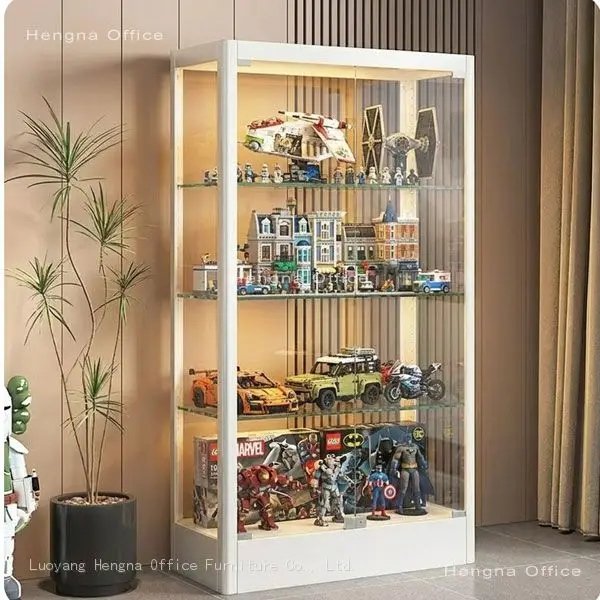
Wholesale Commercial-Grade Steel & Glass Display Showcases for Luxury Boutiques | Juntuo Series
Luoyang Hengna Office Furniture Co., Ltd. is proud to present the Juntuo Series Professional Display Showcase. Engineered for durability and designed for modern elegance, this commercial-grade system provides the perfect “stage” for luxury handbags, premium collectibles, prestigious awards, and famous wine collections.
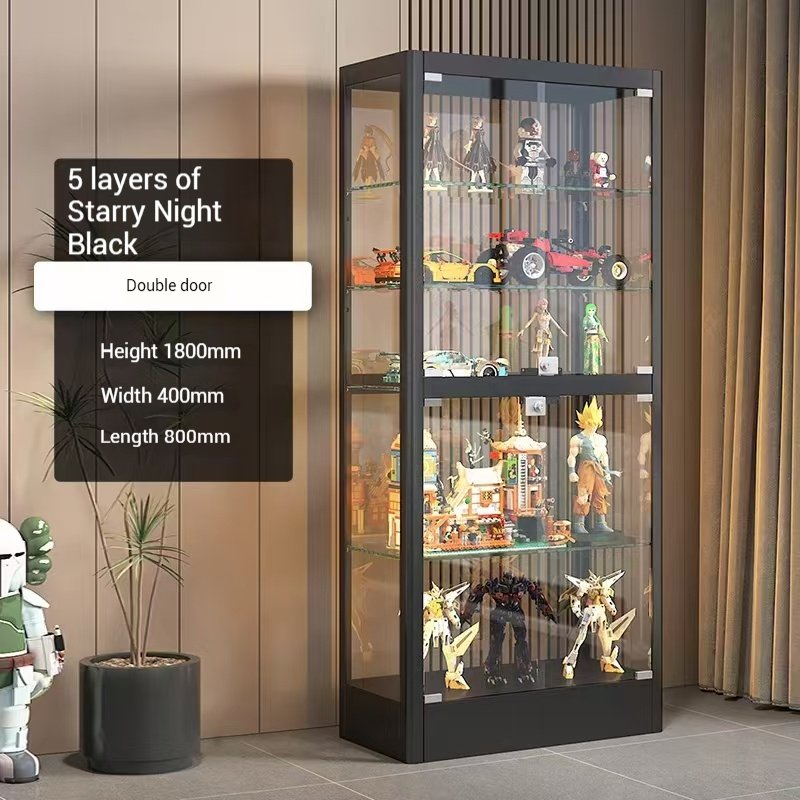
Commercial-Grade Steel & Glass Display Showcases Technical Specifications & Build Quality
For professional procurement officers and store designers, the structural integrity of a display unit is paramount. Unlike fragile, home-use cabinets, our Juntuo Series is built to industrial standards.
| Feature | Specification |
| Model | Juntuo SC-1808 (Showcase Series) |
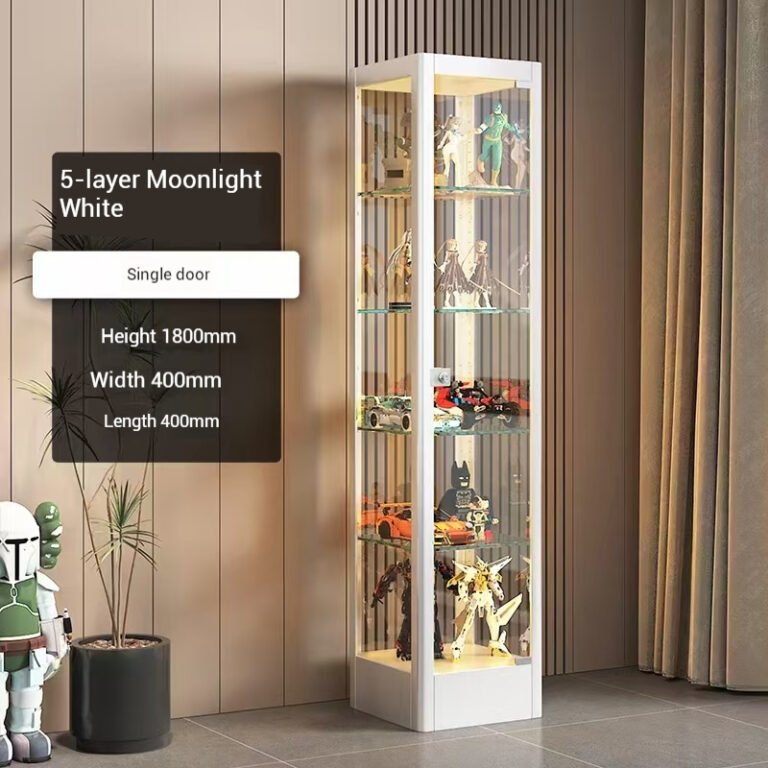
| Dimensions | Height 1800mm × Length 800mm × Width 400mm |
| Material | High-Clarity Tempered Glass & Cold-Rolled Steel Frame |
| Structure | 5-Layer Exhibition System |
| Door Type | Double Swing Doors with Precision Alignment |
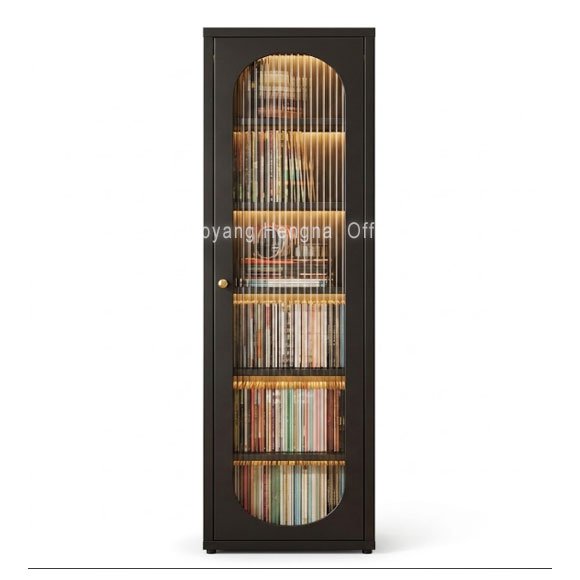
| Color Finish | Starry Night Black (High-durability powder coating) |
| Weight | Approx. 60KG+ (Ensuring anti-tip stability) |
| Customization | OEM/ODM Support for Dimensions and Lighting |
Commercial-Grade Steel & Glass Display Showcases Core Product Advantages
1. The “Starry Night Black” Aesthetic Our signature matte black finish is more than just a color; it is a professional-grade electrostatic powder coating. This finish is scratch-resistant, anti-corrosive, and provides a neutral, high-contrast backdrop that allows the colors and textures of your merchandise to “pop” under retail lighting.
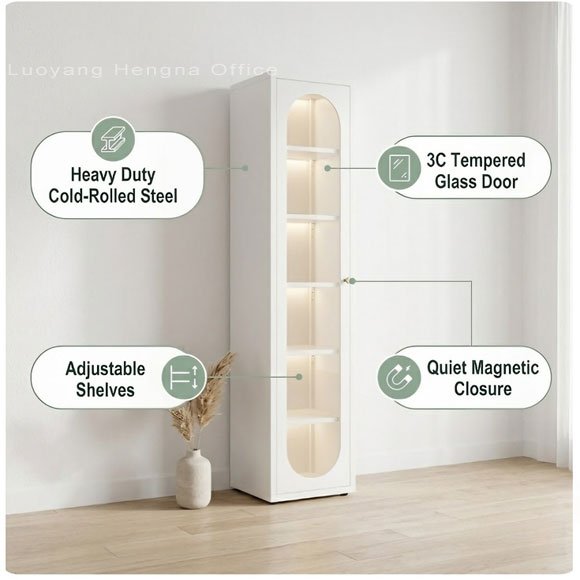
2. Reinforced Steel & Tempered Glass Synergy We utilize heavy-duty cold-rolled steel for the frame, providing a load-bearing capacity that far exceeds wooden alternatives. Combined with high-clarity tempered glass, the HNYG-showcase offers a 360-degree clear view while ensuring the safety of high-value items in high-traffic commercial environments.
3. Flexible 5-Layer Storage Layout The internal architecture features adjustable glass shelving. Whether you are displaying towering trophies or compact luxury watches, the internal partitions can be reconfigured in seconds to accommodate items of varying heights, maximizing your vertical retail space.
4. Precision Double-Door System The full-length double doors allow for easy access and restocking. Equipped with high-strength iron hinges and a secure locking mechanism, your inventory remains protected from dust and unauthorized handling while remaining fully visible to customers.
Multi-Scenario Commercial Applications
The versatility of the Juntuo showcase makes it the preferred choice across various professional sectors:
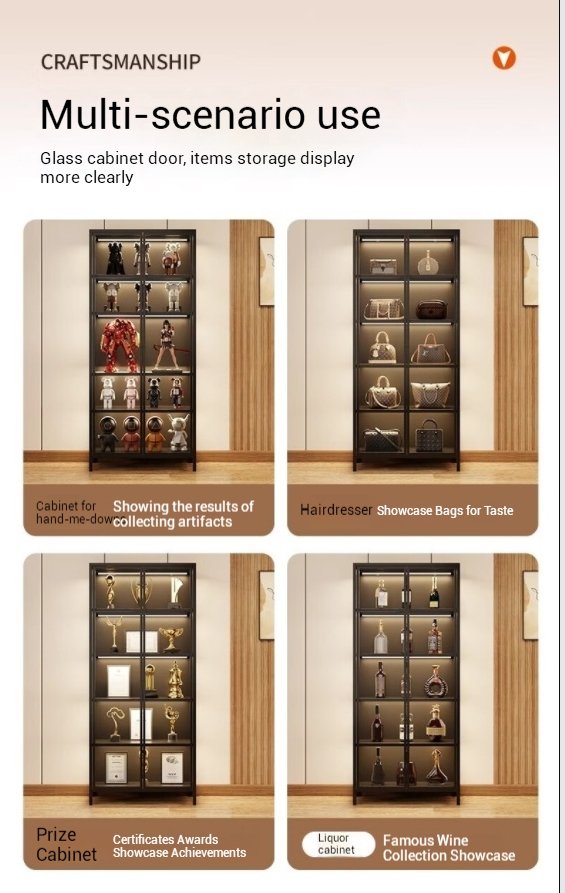
- Luxury Boutique Showcases: Transform your retail floor with dedicated displays for designer handbags, jewelry, and high-end accessories.
- Hobby & Model Stores: Provide the ultimate protection and visibility for limited-edition figurines, hand-me-down artifacts, and “starry” collectibles.
- Corporate Prize & Award Cabinets: Showcase your organization’s achievements, certificates, and trophies in executive lobbies or conference rooms with a professional, minimalist look.
- Hospitality & Liquor Displays: Perfect for high-end restaurants and lounges to display famous wine collections or premium spirits, enhanced by the cabinet’s sleek, modern lines.
Why Partner with Luoyang Hengna for Wholesale?
As a leading manufacturer based in the Licun Industrial Park of Luoyang, China, we understand the specific needs of international B2B partners.
- Factory-Direct Value: By eliminating middlemen, we provide competitive wholesale pricing that allows you to maximize your project margins or retail markups.
- Logistics-Optimized Packaging: Our showcases utilize a Knock-Down (KD) structure. This significantly reduces shipping volume, lowering international freight costs and minimizing the carbon footprint of your supply chain.
- Global Quality Standards: Every unit undergoes rigorous quality control (QC) before leaving our facility, ensuring that the 1800mm height and 800mm length are precise and the finish is flawless.
- Sales Support: Lead by our experienced Sales Manager, Ms. Ivy Zhang, our team provides comprehensive after-sales support and logistics tracking for global shipments.
Order Customization (OEM/ODM)
Do you have a specific retail project that requires custom dimensions or integrated LED lighting? We specialize in tailoring our steel and glass systems to fit unique architectural requirements.
Available Customizations Include:
- Integrated smart LED lighting strips for each shelf.
- Custom glass thicknesses and finishes (frosted vs. clear).
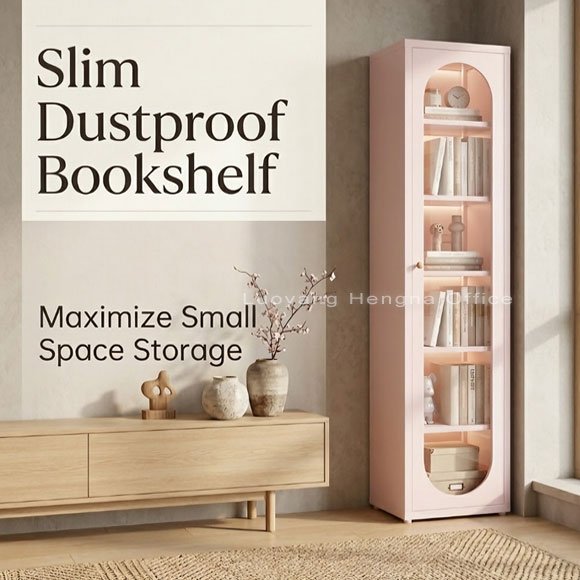
- Variable frame colors (including White, Sakura Pink, and Bean Green).
- Digital or physical lock upgrades for high-security environments.
H3: Contact Us for a Wholesale Quote Today
Ready to upgrade your retail display or source for a new commercial project? Contact Luoyang Hengna Office Furniture Co., Ltd. for a detailed quote and lead-time assessment.
- Contact Person: Ms. Ivy Zhang (Sales Manager)
- Email: ivy.zhang@atoolcabinet.com
- Tel / WhatsApp: +86 135 2691 8367
- Address: Licun Industrial Park, Luoyang City, Henan, China