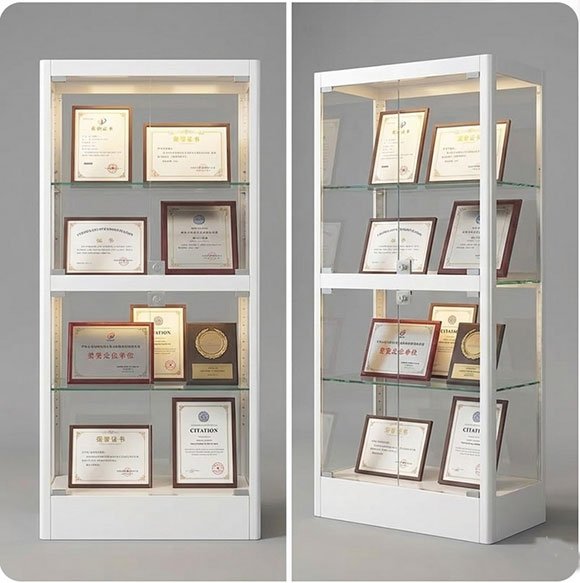
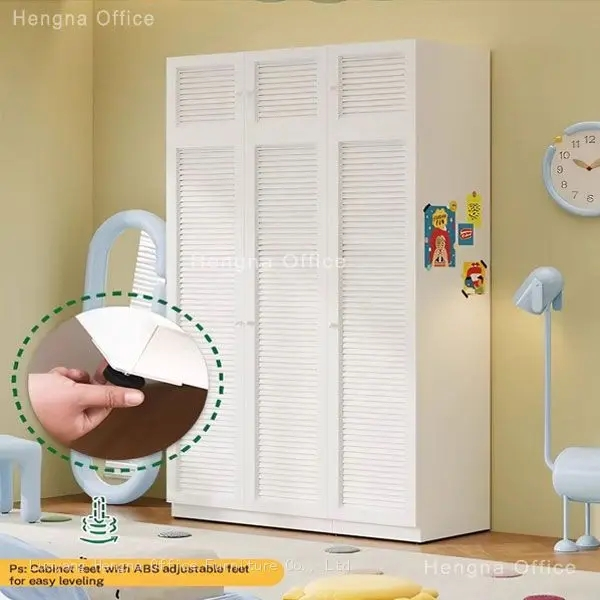
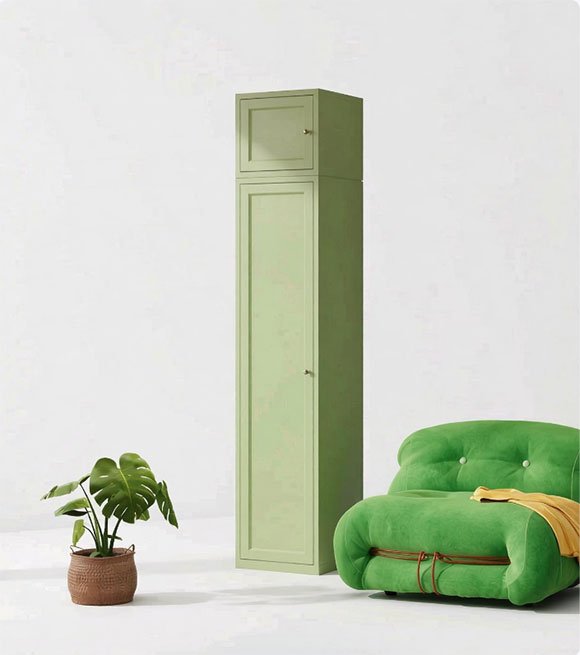
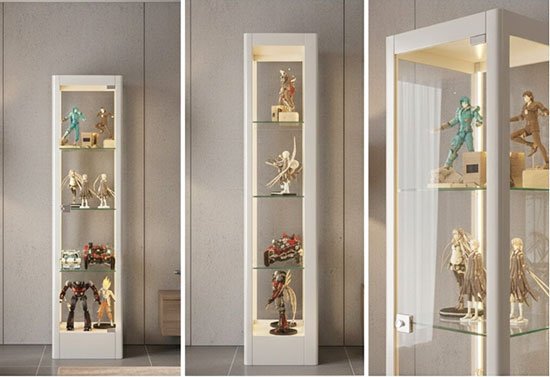
What is the Best Material for a Modern Sideboard with Fluted Glass Doors in 2026?
In the world of interior design, the Modern Sideboard with Fluted Glass Doors has emerged as a quintessential piece for 2026. Whether it’s acting as a sophisticated coffee station, a sleek office credenza, or a statement piece in a dining room, the demand for this “textured glass” aesthetic is skyrocketing.
However, for professional furniture buyers and homeowners alike, a critical question remains: What is the best material for the Modern Sideboard frame? While wood has been the traditional choice for decades, a new contender—Cold Rolled Steel—is taking the lead in the modern market. In this comprehensive guide, we will compare materials, explore durability, and explain why metal-framed fluted glass cabinets are the superior investment for modern spaces.
1. The Anatomy of a Modern Sideboard
A modern sideboard (also known as a buffet or credenza) consists of two main components: the carcass (frame) and the infill (doors).
The “Fluted Glass” (or Reeded Glass) trend is non-negotiable for 2026. It offers a blurred transparency that hides clutter while playing with light. But the glass is only as good as the frame that holds it. Let’s break down the three most common framing materials:
Common Sideboard Materials at a Glance
| Material | Durability | Moisture Resistance | Maintenance | Style Category |
| Solid Wood | High | Low (Warps easily) | High (Requires oiling) | Traditional / Rustic |
| MDF / Particle Board | Low | Very Low (Peels/Swells) | Low | Budget / Disposable |
| Cold Rolled Steel | Maximum | Excellent (Waterproof) | Zero Maintenance | Modern / Industrial Chic |
2. Why Cold Rolled Steel is the “Best” Choice
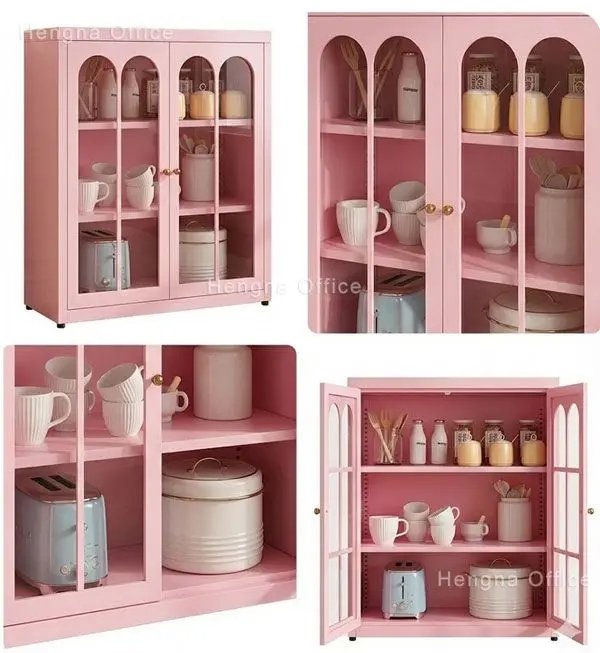
When we talk about “Modern” furniture, we aren’t just talking about looks; we are talking about performance. Here is why high-grade steel is the winning material for fluted glass sideboards.
A. Precision Engineering for Glass Safety
Fluted glass is a premium material. When you set glass into a wooden frame, the wood naturally expands and contracts with temperature changes. Over time, this can put pressure on the glass or cause the doors to misalign.
Cold Rolled Steel is dimensionally stable. It provides a razor-sharp, precise fit for the arched glass doors Modern Sideboard, ensuring the magnetic closures always snap shut perfectly.
B. The “Wet Zone” Advantage
Modern sideboards are increasingly used as Home Coffee Stations or Bathroom Vanities.
- The Wood Problem: Steam from an espresso machine or a hot shower will eventually ruin wood veneers.
- The Steel Solution: Modern sideboards use eco-friendly powder coating. This creates a non-porous, waterproof barrier. Spilled coffee, wine, or bathroom humidity won’t cause a single flinch in the material.
C. Sustainability and Longevity
B2B buyers in 2026 are focused on ESG (Environmental, Social, and Governance) standards. Steel is one of the most recycled materials on earth. Unlike MDF, which contains glues and resins (VOCs), powder-coated steel is inert and eco-friendly.
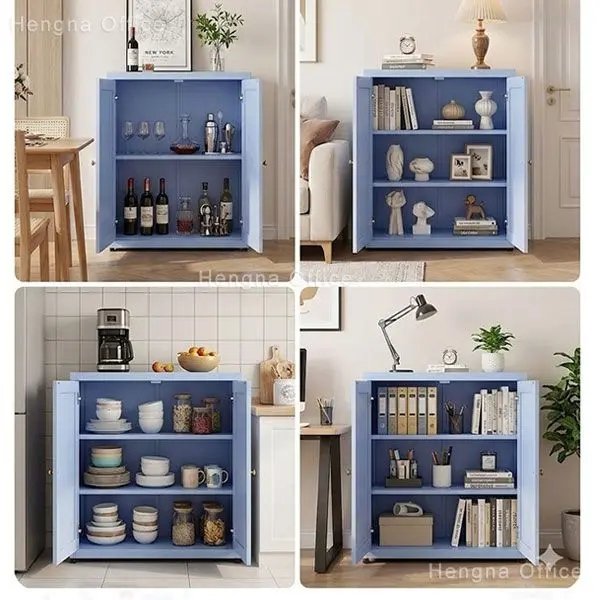
3. Designing with “Dopamine Colors”
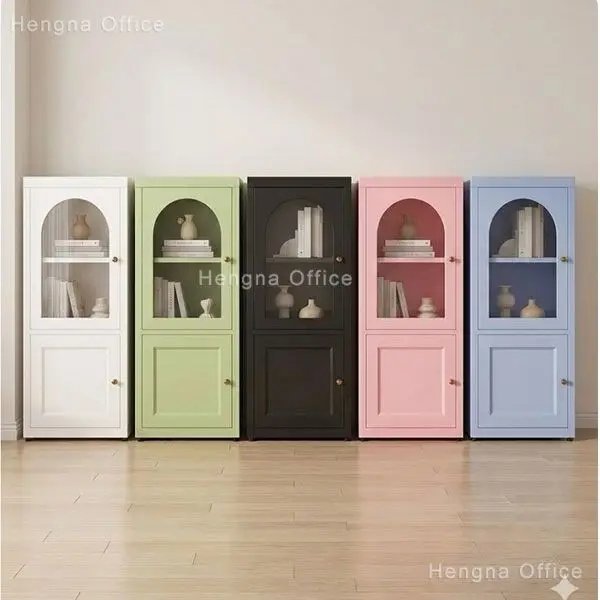
One of the biggest advantages of metal over wood is the ability to apply Macaron and Pastel finishes.
While wood is often limited to brown, black, or white, steel Modern Sideboard can be finished in:
- Pastel Blue: For a calming, coastal dining room vibe.
- Macaron Pink: Perfect for a “Chic Boutique” or a modern nursery.
- Bean Green: A sophisticated Nordic tone that brings nature indoors.
These colors, paired with Gold Hardware, create a high-end “jewelry-like” finish that attracts high-margin customers in the retail market.
4. Understanding Fluted Glass: Aesthetics Meets Privacy
Why is everyone searching for “Fluted Glass”?
- Privacy: It obscures the items inside. You can store mismatched plates or office files without the room looking messy.
- Light Diffraction: It catches sunlight and indoor LED light, creating vertical shadows that make the room feel taller.
- The Arch Trend: Combined with an arched door frame, fluted glass creates a “Cathedral” effect that feels both vintage and futuristic.
5. B2B Buying Guide: What to Look for in a Modern Sideboard Manufacturer
If you are a furniture importer or a retail brand owner, you need to look beyond the photos. Ensure your supplier provides:
- 3C or CE Certified Tempered Glass: Safety is paramount. If the glass breaks, it must crumble into safe granules.
- Anti-Toppling Hardware: Essential for safety compliance in the US and EU markets.
- KD (Knock-Down) Design: To maximize your shipping container space and reduce “last-mile” delivery costs.
- OEM/ODM Capabilities: The ability to customize colors and logos to fit your brand’s unique identity.
6. Real-World Applications
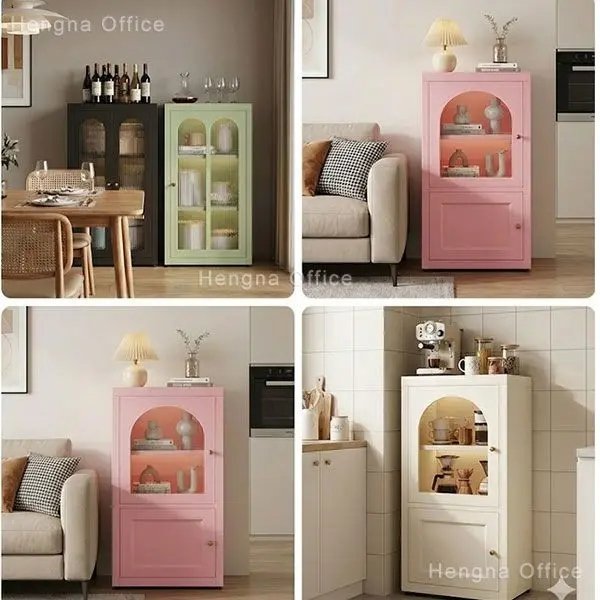
Where should you place a steel fluted glass sideboard?
- The Living Room: As a media console or a display for “Pop Mart” collectibles.
- The Kitchen Pantry: For heavy tableware and dry goods.
- The Home Office: As a printer stand and file organizer.
- The Entryway: To create an immediate “wow” factor for guests.
Conclusion: The Verdict
While wood will always have a place in traditional homes, Cold Rolled Steel is the best material for a modern sideboard with fluted glass doors. It offers a level of durability, color flexibility, and moisture resistance that wood simply cannot match. For the modern consumer who values “Industrial Elegance,” a metal-framed sideboard is the ultimate lifestyle upgrade.
7. FAQ Section
Q1: Is metal furniture too heavy to move?
Actually, a well-designed steel sideboard like is often lighter than solid oak furniture of the same size, making it easier to ship and relocate within the home while maintaining superior strength.
Q2: Does the glass rattle in the metal frame?
No. High-quality manufacturers use rubber gaskets or silicone buffers between the steel frame and the tempered glass to ensure a silent, rattle-free experience even when moving the unit.
Q3: Can I customize the color for a large project?
Yes. For B2B orders, we offer full OEM support. We can match any Pantone or RAL color to ensure the furniture fits your specific commercial project or brand collection.