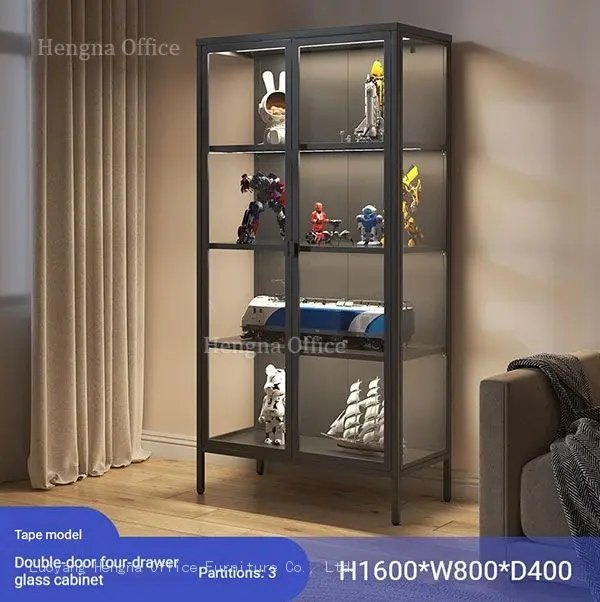
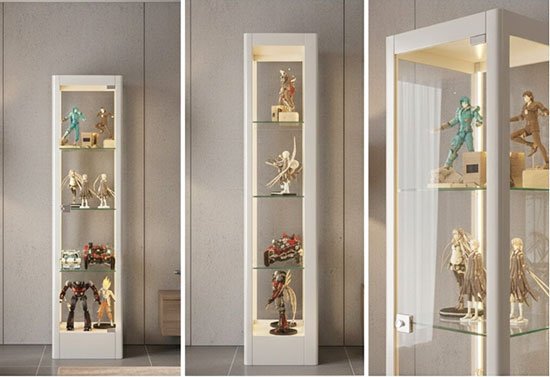
Wooden vs. Metal Wardrobes: Which is Better for a Damp Laundry Room?
Have you ever put freshly laundered clothes into a wardrobe only to find a musty smell a few days later? Or noticed wardrobe doors sticking, panels swelling, or colors fading during humid seasons? If your laundry room doubles as a storage space, choosing the right wardrobe material is vital. Damp environments pose a significant challenge to furniture; the wrong choice can mean premature replacement, damaged clothing, and even poor indoor air quality.
Today, we will dive deep into a comparison between wooden and metal wardrobes in damp laundry room environments to help you make an informed decision.
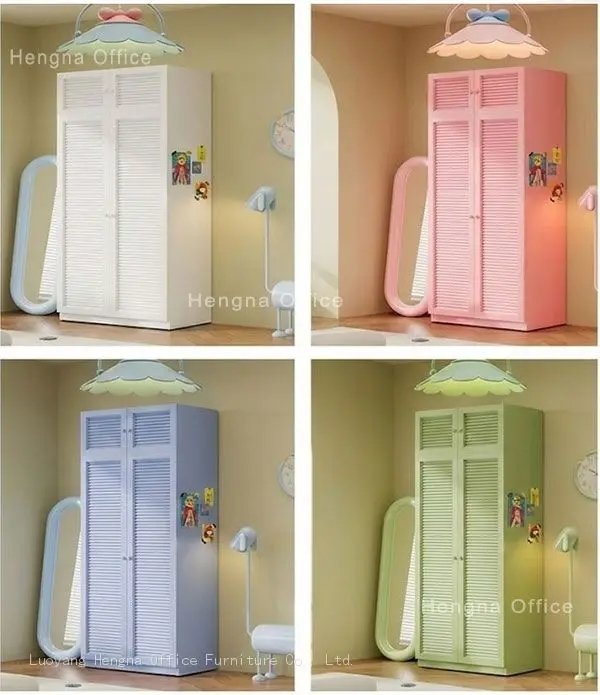
Why the Humidity Problem in Laundry Rooms Cannot Be Ignored
Laundry rooms typically have high humidity for several reasons:
- Washing machines generate steam and moisture during operation.
- Dryers may have incomplete exhaust (especially without a dedicated vent).
- Hanging wet clothes to air-dry releases moisture into the air.
- These spaces are often small and lack sufficient ventilation.
In environments where humidity consistently exceeds 60%, clothes easily develop mold and odors. Furthermore, the wardrobe itself can warp from moisture, harbor bacteria or mold, and suffer a shortened lifespan.
Metal Wardrobes: The Practical Choice for Moisture Resistance and Durability
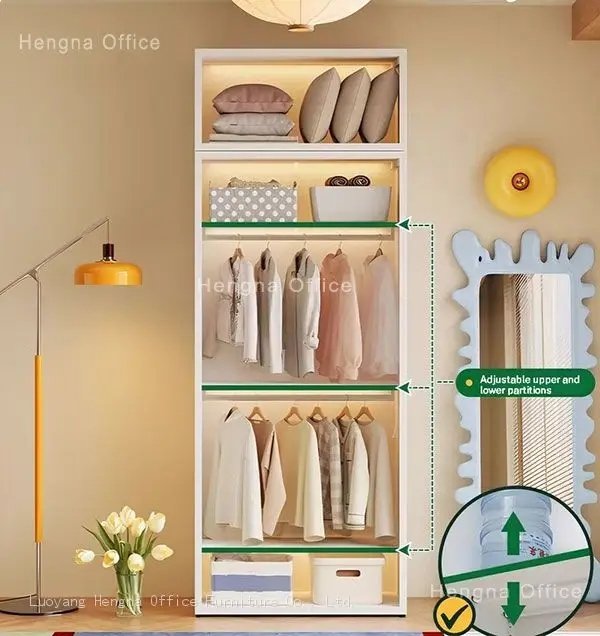
Metal wardrobes have recently become the ideal choice for damp spaces due to their exceptional durability and moisture resistance.
Advantages:
- Superior Moisture Resistance: Metal (particularly eco-friendly steel used by high-quality furniture brands) does not absorb moisture, so it will not swell, warp, or mold due to humidity. Surfaces are usually treated for rust resistance to stay looking new.
- Strong and Load-bearing: As shown in some products, a single shelf can support up to 60kg when weight is distributed evenly. The overall structure is stable, making it suitable for storing large amounts of clothing, bedding, or even heavy items.
- Easy to Clean and Maintain: Steam or stains can be removed by simply wiping with a damp cloth. They require no special care, and there is no worry about panels bubbling when in contact with water.
- Eco-friendly and Pest-proof: Metal does not provide an environment for mold or insects to thrive. Additionally, the material itself is recyclable, aligning with environmental trends.
- Flexible Design: Many metal wardrobes support adjustable partitions and clothes rod heights, allowing for free combinations based on storage needs.
Considerations:
- If the surface coating is damaged, metal may rust in extremely damp environments (choosing products with high-quality rust-resistant coatings can prevent this).
- They may feel “cold” visually, though the atmosphere can be softened with fabric, lighting, or decorations.
- They can be quite heavy (e.g., one wardrobe weighs approximately 146.95kg), so two-person assembly is recommended.
Wooden Wardrobes: Naturally Beautiful but Require More Care
Wooden wardrobes offer a warm, natural texture and are a top choice for many families, but they require extra attention in damp environments.
Advantages:
- Aesthetics and Warmth: Wood grain adds a soft, high-end feel to a space, making it easy to unify with home decor styles.
- Hygroscopic Regulation: Solid wood has some ability to absorb and release moisture, which can regulate local humidity to an extent (though it will still suffer if excessively damp).
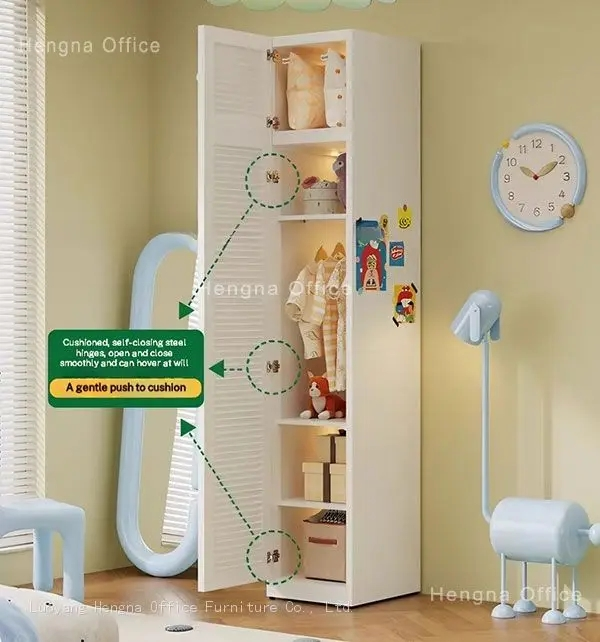
- Quietness and Feel: Doors tend to be quieter when opening and closing and feel warm to the touch. The experience is even better if equipped with soft-close hinges that allow for gentle closing and hovering at any angle.
Disadvantages and Risks:
- Prone to Moisture Warping: Panels (especially particle board or MDF) easily swell and peel at the edges in damp environments, which may prevent doors from closing tightly.
- Risk of Mold: Long-term dampness can lead to mold growth on back panels and corners, contaminating clothing and being difficult to clean thoroughly.
- Limited Load-bearing: While they have decent load-bearing capacity, long-term dampness can reduce panel strength, increasing the risk of shelves bending.
- High Maintenance Costs: They may require regular dehumidification, ventilation, or even moisture-proofing agents. If mold or warping has already occurred, the cost of repair or replacement is high.
Direct Comparison: Metal vs. Wooden Wardrobes (Suitability for Damp Environments)
| Feature | Metal Wardrobe (Eco-friendly Steel) | Wooden Wardrobe (Standard Panels) |
| Moisture Resistance | ⭐⭐⭐⭐⭐ Non-hygroscopic, no mold | ⭐⭐ Easily absorbs moisture, potential mold/warping |
| Durability | ⭐⭐⭐⭐⭐ Long life, no deformation | ⭐⭐⭐ Ages easily in damp environments |
| Load-bearing Capacity | ⭐⭐⭐⭐⭐ Strong distributed load (e.g., 60kg/shelf) | ⭐⭐⭐⭐ Good, but decreases after absorbing moisture |
| Cleaning & Maintenance | ⭐⭐⭐⭐⭐ Simple wipe with damp cloth | ⭐⭐⭐ Must avoid direct water contact; needs regular moisture-proofing |
| Aesthetics & Style | ⭐⭐⭐ Modern, industrial, minimalist | ⭐⭐⭐⭐⭐ Warm, natural, diverse |
| Eco-friendliness & Health | ⭐⭐⭐⭐ Recyclable, mold/pest-proof | ⭐⭐⭐ Must watch for adhesive off-gassing and mold |
| Price & Long-term Cost | ⭐⭐⭐⭐ Initial investment may be slightly higher, but maintenance is low | ⭐⭐⭐ Many initial options, but may need replacement over time |
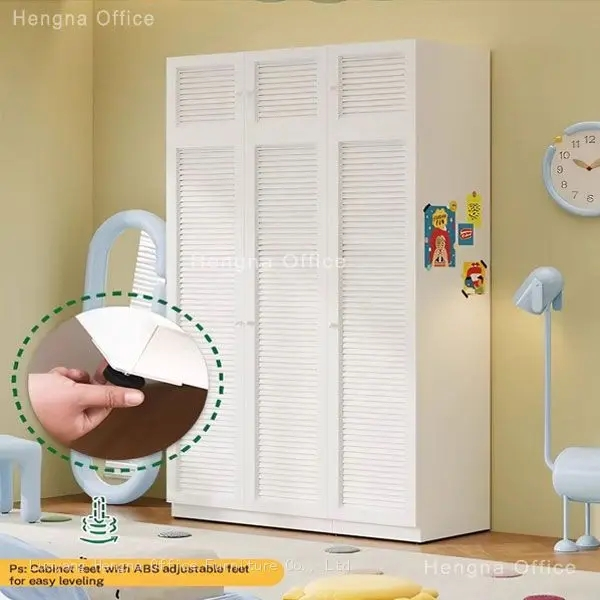
| Installation & Adjustment | ⭐⭐⭐⭐⭐ Adjustable shelves/feet for leveling (e.g., ABS adjustable feet) | ⭐⭐⭐⭐ Usually more fixed designs |
How to Make the Best Choice for Your Damp Laundry Room?
Choose a Metal Wardrobe if:
- The laundry room has no dehumidification equipment and humidity remains high.
- You want a “set and forget” solution with minimal maintenance.
- You store heavy items and need strong load-bearing capacity.
- You like modern minimalist styles or plan to use built-in lighting (optional light strips).
Choose a Wooden Wardrobe if:
- The laundry room is well-ventilated or has a dehumidifier/air conditioner.
- You are willing to perform regular maintenance and use moisture-proofing agents.
- Aesthetics and style unification are your top priorities.
- The budget is limited and you can accept the possibility of replacement in a few years.
Regardless of your choice, it is recommended to strengthen moisture-proofing measures:
- Install an exhaust fan or dehumidifier to keep humidity below 60%.
- Avoid putting wet clothes directly into the wardrobe; ensure they are dry or tumbled-dry before storage.
- Place moisture-absorbing boxes or bamboo charcoal bags inside and replace them regularly.
- Add a moisture-proof back panel or use waterproof coatings for wooden wardrobes.
Conclusion
In a damp laundry room, metal wardrobes clearly win in terms of moisture resistance, durability, and ease of maintenance. They are especially suitable for practical-minded families looking for long-term use. While wooden wardrobes are beautiful, they require more care and attention to protect against moisture.
The final choice should be based on your actual environment, usage habits, and aesthetic preferences. If you live in a perpetually humid area or have a laundry room with limited ventilation, investing in a high-quality metal wardrobe—featuring eco-friendly steel, strong load-bearing, and sensible design—will be a wise move to protect your clothes and extend the life of your furniture.