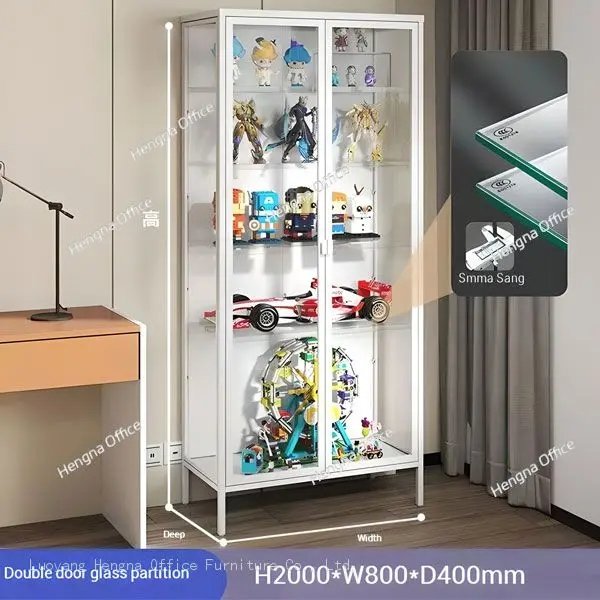
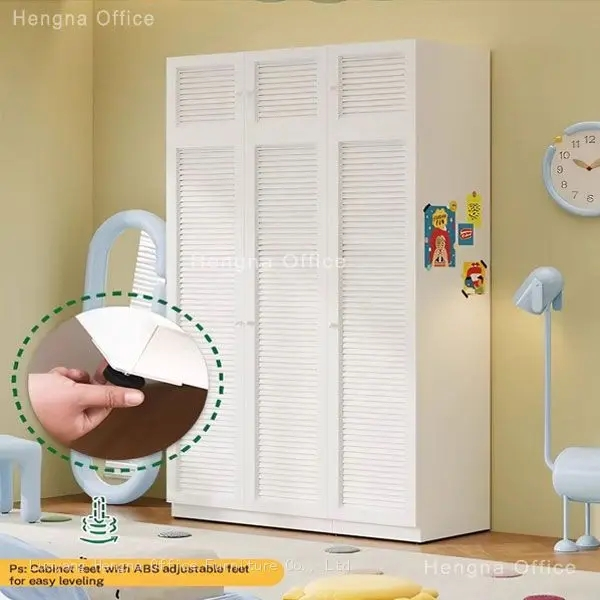
The Silent Shield: How Anti-Corrosion Baking Paint Extends Metal Display Cabinet Lifespan in Humid Climates
For anyone living near the coast or in tropical regions, humidity is a daily reality. While we feel it as “muggy” air, for metal furniture, humidity is a slow-motion disaster. It is the catalyst for oxidation—the chemical process that turns strong steel into flaky, orange rust.
If you are a business owner showcasing premium products or a collector protecting a lifetime of memories, “rust-resistant” isn’t just a feature; it is a necessity for your metal display cabinet. The secret to surviving these environments lies not just in the metal itself, but in a sophisticated finish known as Anti-Corrosion Baking Paint.
In this guide, we will break down why this specific industrial finish is the gold standard for longevity and how it keeps your metal display cabinets looking brand new for decades.
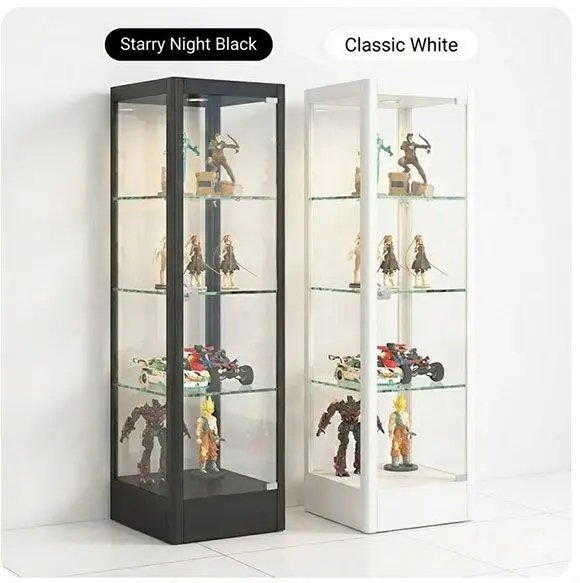
1. The Chemistry of Humidity: Why Standard Metal Fails
To understand the solution, we must first understand the problem. In humid climates, the air is saturated with water vapor. When this moisture lands on a metal surface, it reacts with oxygen and the iron in the steel to create iron oxide (rust).
Standard spray-painted cabinets often fail because their finish is merely a “skin” sitting on top of the metal. Over time, microscopic bubbles or scratches allow moisture to seep underneath. Once the rust starts under the paint, it spreads like a virus, eventually causing the paint to peel and the structure to weaken.
2. What Exactly is Baking Paint? (The “Cookie” Analogy)
Think of standard spray paint like the icing on a cupcake—it looks good, but it can be easily scraped off. Baking paint, on the other hand, is like the crust of a well-baked cookie.
Instead of air-drying, the paint (usually in a specialized powder form) is applied electrostatically to the steel and then placed into a high-temperature industrial oven. The heat causes a chemical reaction that fuses the paint to the metal at a molecular level. It doesn’t just sit on the surface; it becomes part of the structure.
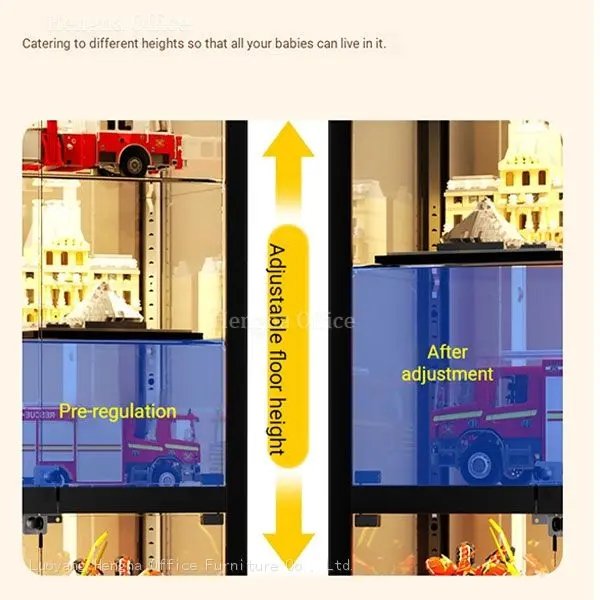
3. The 5-Layer Shield: A Professional Defense System
A high-quality anti-corrosion cabinet doesn’t just get one coat of paint. It undergoes a multi-stage transformation to ensure moisture never touches the raw steel:
- The Phosphating Layer: Before any color is added, the steel is treated to create a microscopic texture. This acts like “micro-velcro,” giving the next layers something to grip onto.
- Anti-Rust Primer: A specialized chemical barrier that prevents oxidation even if the outer layers are eventually compromised.
- Electrostatic Powder Coating: Because the powder is electrically charged, it wraps around every corner and crevice of the cabinet, ensuring no “bald spots” where rust could start.
- High-Temp Baking Finish: The cabinet is “cured” in an oven, turning the powder into a rock-hard, non-porous shield.
- Anti-Acid Sealing: A final transparent layer that protects the finish against acidic wine spills or harsh cleaning agents.
4. Performance Comparison: Baking Paint vs. Standard Finishes
| Feature | Standard Spray Paint | Professional Baking Paint |
| Moisture Resistance | Poor (Porous) | Excellent (Sealed) |
| Scratch Resistance | Low (Chips easily) | High (Hardened surface) |
| Odor/Off-gassing | High (Chemical smell) | Odorless & Tasteless |
| Lifespan (Humid) | 2–5 Years | 15–20+ Years |
| Environmental Safety | High VOCs | VOC-Free & Eco-friendly |
5. Beyond Rust: The Aesthetic and Health Benefits
While the primary goal is preventing corrosion, the baking process offers two major “quality of life” upgrades that are often overlooked.
A. The Odorless Environment
Have you ever bought a new metal cabinet and noticed a strong, “chemical” smell that lingers for weeks? That is the off-gassing of Volatile Organic Compounds (VOCs) from standard air-dried paint. In a professional baking process, these gases are burned off in the oven. By the time the cabinet reaches your home or shop, it is completely odorless. This is crucial for storing sensitive items like wine or being placed in high-traffic entryways.
B. High-Density Cold-Rolled Steel Support
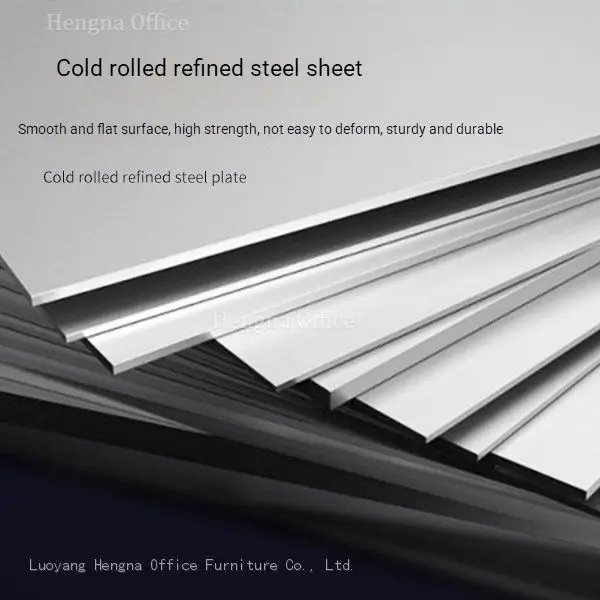
The best paint in the world can’t save a weak foundation. Professional cabinets use thickened cold-rolled steel as the base. Because cold-rolled steel is denser and smoother than hot-rolled alternatives, it provides a perfectly flat surface for the baking paint to bond with, eliminating the “orange peel” texture found on cheap furniture.
6. Metal Display Cabinet: Real-World Applications: Who Benefits Most?
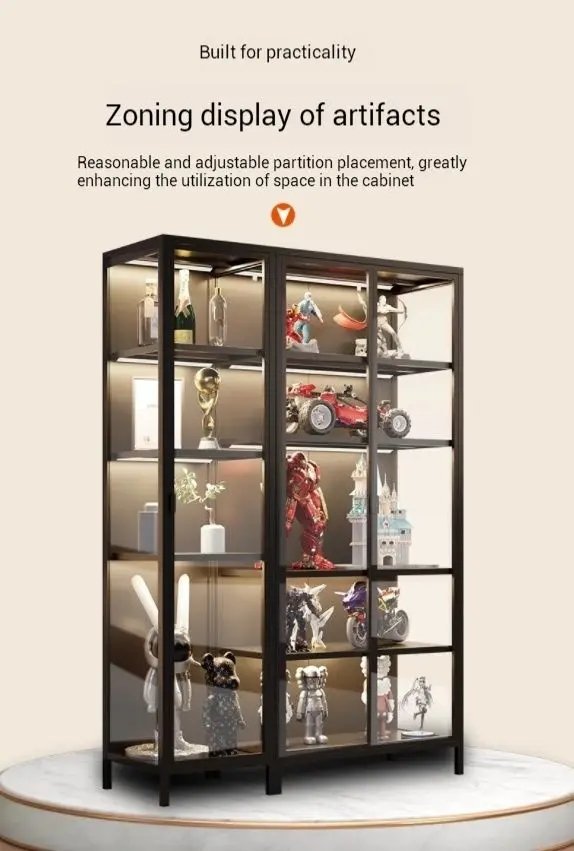
- Coastal Retailers: Shops in cities like Miami, Vancouver, or London face salt air and constant dampness. A baking paint finish ensures the store’s “first impression” remains premium without the cost of frequent replacements.
- Wine Collectors: Dining rooms and kitchens are high-humidity zones. An anti-corrosion wine cabinet protects both the glassware and the structural integrity of the heavy bottle storage.
- Institutional Showcases: Schools and clubs often place trophy cabinets in foyers near open doors. The temperature fluctuations and moisture from the outdoors won’t cause these units to warp or rust.
7. Conclusion: Investing in Permanence
In a “throwaway” culture, choosing furniture with a professional anti-corrosion baking finish is an act of long-term thinking. It is the difference between a display case that becomes an eyesore in five years and one that becomes a legacy piece.
By sealing the high-strength steel under a five-layer, oven-cured shield, we aren’t just making a cabinet; we are creating a safe, odorless, and permanent home for the things you value most. When the humidity rises, you can rest easy knowing your “Silent Shield” is at work.